Running a feed mill is a capital-intensive operation. Between energy bills, raw material costs, machinery wear, and labour expenses, margins can quickly erode — especially in today’s competitive feed manufacturing landscape. But cutting corners on quality is never the answer. The good news? With the right strategies, smart feed millers can significantly reduce operating costs while maintaining — and even improving — output quality. In this guide, we break down actionable, proven approaches to optimise your feed mill operations.
Whether you operate a poultry feed plant, an aqua feed facility, or a cattle feed mill, these principles apply universally. At Milling Equips, we work closely with feed manufacturers across India and beyond to deliver high-performance feed milling solutions that balance productivity with profitability.
1. Conduct a Comprehensive Energy Audit
Energy is typically the second-largest operating expense in any feed mill — after raw materials. Motors, pellet mills, hammer mills, dryers, and conveyors all consume significant power. An energy audit can reveal:
- Oversized or underperforming motors drawing excess current
- Compressed air leaks wasting pneumatic energy
- Poor power factor resulting in penalty charges from utilities
- Inefficient lighting and HVAC in processing areas
After auditing, prioritise upgrades like variable frequency drives (VFDs) on motors, high-efficiency pellet dies, and LED lighting. According to the International Energy Agency (IEA), industrial motor systems account for over 40% of global electricity consumption — even a 10% efficiency gain translates to major savings.
| 💡 Pro Tip from Milling Equips Installing VFDs on your pellet mill motors can reduce energy consumption by 15–25%, with a typical payback period of under 18 months. |
2. Implement Preventive Maintenance Programmes
Reactive maintenance — fixing machinery only when it breaks — is one of the most expensive habits in feed manufacturing. Unplanned downtime can cost a mid-sized feed mill ₹50,000 to ₹2,00,000 per hour in lost production and emergency repair costs.
A structured preventive maintenance programme focuses on:
- Scheduled inspections of pellet mill dies, rollers, and bearings
- Regular lubrication of all rotating components
- Vibration analysis and thermographic checks to detect early failures
- Replacement of wear parts before they cause cascading damage
At Milling Equips, our maintenance services are designed to extend equipment life and minimise production interruptions. A well-maintained pellet mill die, for example, can last 30–50% longer than one that is only serviced reactively.
3. Optimise Raw Material Procurement & Storage
Raw material waste is a silent cost killer. Spoilage during grain storage, incorrect moisture levels, and poor inventory management all add up. Here’s how to address this:
- Invest in proper
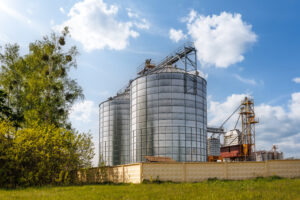
✔ Invest in proper grain silos and storage solutions with adequate aeration and moisture monitoring
✔ Use FIFO (first in, first out) inventory management to prevent raw material degradation
✔ Negotiate long-term supply contracts to lock in favourable prices for maize, soya, and other key inputs
✔ Conduct regular nutritional analysis of incoming raw materials to avoid over-formulation with expensive premixes — see our post on the impact of premix in precision nutrition for more details
4. Choose the Right Machinery — and Upgrade Strategically
Outdated or wrongly-specified machinery is a major source of hidden costs. An undersized hammer mill forces longer grinding cycles and higher energy consumption. An oversized mixer leaves product inhomogeneous. Selecting correctly-sized, high-efficiency feed machines from the outset — or upgrading legacy equipment — has a direct impact on your cost per tonne.
Key machinery investments that deliver strong ROI:
- High-efficiency pellet mills with optimised die compression ratios
- Precision dosing and batching systems to eliminate recipe errors
- Counterflow coolers to reduce moisture loss and improve pellet durability index (PDI)
- Intelligent
✔ Intelligent rota sifter machinery to remove substandard pellets before dispatch, protecting your brand quality.
If you are planning a new setup or a capacity expansion, explore our turnkey feed milling solutions to get the right equipment mix from day one.
5. Leverage Digital Tools and Remote Monitoring
Industry 4.0 technologies are no longer limited to large multinationals. Even small to mid-sized feed mills can benefit from digital services such as:
- SCADA and PLC-based automation for consistent batch control
- Remote performance monitoring of critical equipment via IoT sensors
- Production dashboards that highlight inefficiencies in real time
- Automated reporting to reduce manual data entry and human error
According to McKinsey & Company, manufacturers who adopt digital operations tools can reduce operating costs by 15–20% within three years. The feed milling industry is rapidly catching up with this trend.
6. Invest in Operator Training
Your machinery is only as good as the people operating it. Poorly trained operators contribute to higher reject rates, increased wear on equipment, and inconsistent quality. Our training and courses programme covers:
- Feed mill process optimisation
- Equipment operation and routine maintenance
- Quality control and sampling techniques
- Safety and compliance best practices
Investing in operator capability pays back quickly. A trained operator can optimise pellet mill throughput, reduce fines generation, and prevent costly errors — all of which directly reduce your cost per tonne.
7. Reduce Spare Parts Downtime with the Right Inventory
One of the most common causes of extended downtime is waiting for spare parts. Maintaining a strategic stock of critical spare parts — dies, rollers, hammers, screens, and bearings — ensures fast turnaround when components wear out.
Work with suppliers who offer genuine OEM-compatible spares and fast delivery. At Milling Equips, we supply a wide range of feed milling spare parts to keep your operations running without delays.
| 📊 Cost Reduction Summary Energy Audit + VFDs → Save 15–25% on power costs Preventive Maintenance → Reduce downtime by up to 40% Better Grain Storage → Cut raw material waste by 5–10% Right Machinery Selection → Improve throughput efficiency by 20%+ Digital Monitoring → Reduce overall OpEx by 15–20% Operator Training → Lower reject rate and improve PDI |
Conclusion
Reducing operating costs in your feed mill doesn’t require sacrificing quality — it requires smarter systems, better equipment choices, and a culture of continuous improvement. From energy audits to digital monitoring, every step outlined above has been proven in real-world feed mill operations to drive measurable savings.
Ready to take the next step? Contact Milling Equips today and let our experts conduct a free operational assessment of your feed mill.
Frequently Asked Questions (FAQ)
| Q: What is the highest operating cost in a feed mill? A: Energy (electricity) and raw materials are typically the two largest costs. Together, they can account for 70–80% of total operating expenses. Optimising both — through energy-efficient machinery and smart procurement — offers the greatest savings potential. |
| Q: How can I reduce pellet mill energy consumption? A: Installing variable frequency drives (VFDs), optimising die compression ratios, ensuring correct conditioning temperatures, and scheduling production during off-peak electricity hours are the most effective ways to reduce pellet mill energy costs. |
| Q: Does preventive maintenance really reduce costs? A: Yes. Industry data consistently shows that preventive maintenance reduces unplanned downtime by 30–40% and extends machinery lifespan by 20–50%. The upfront cost is far outweighed by the savings from avoided emergency repairs and lost production. |
| Q: What digital tools are available for feed mill monitoring? A: Modern feed mills use SCADA systems, IoT-based remote monitoring, automated batch control, and production dashboards. Milling Equips offers digital service solutions tailored to feed mill operators at millingequips.com/digital-service/. |
| Q: How do I choose the right spare parts supplier for my feed mill? A: Look for suppliers who offer genuine OEM-compatible parts, fast delivery, and technical support. Maintaining a small strategic buffer stock of high-wear items like dies, rollers, and screens is critical to minimising downtime. |